
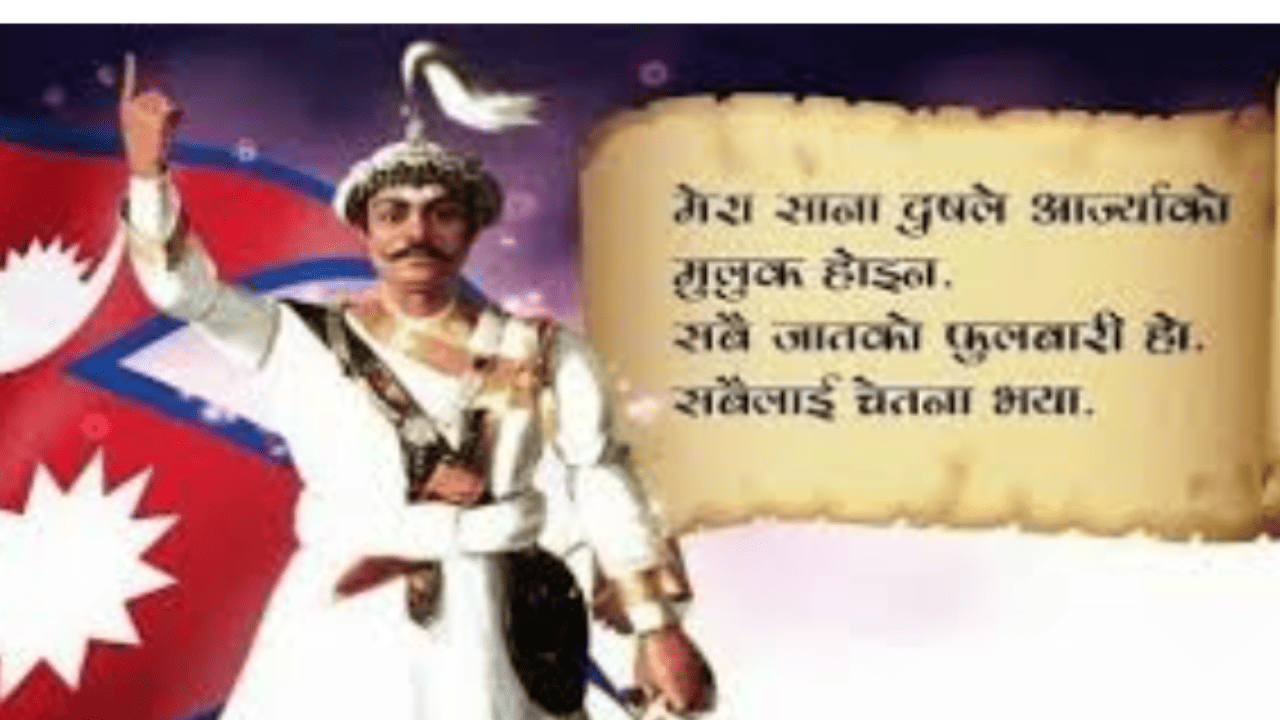
!= æd]/f ;fgf b’ifn] cfHof{sf] d’n’s xf]O{g ;a} tfhsf] ;femf km’njf/L xf]Æ .
Wfld{s, eflifs, ;f+:s[lts, hflto / cfly{s ;dfgtf / /fli6«o Pstf ;fdflhs ;b\efj .
@= æa’9f d/] efiff ;/] elg eG5g\ . ltdLx? ;a}5]p ;’gfO{ uPdf ltd|f ;GtfgnfO{ ;’gfp ltd|f ;Gtfgn] xfd|f ;GtfgnfO{ ;’gfpgg\ / of] /fHo yfdL vfgg\Æ .
cg’ejx? x:tfGt/0f .
#= æb’lgof h;b]vL /fhL /xG5g\ p;}nfO{ shfO{ lbg’Æ .
k”0f{ k|hftGq .
$= ærLg afbzfxl;t 7’nf] 3f /fVg’ . blVvgsf ;d’Gb|sf afbzfxl;t 3f tf /fVg’ t/ To; dxfrt’/ 5 . lxGb’:yfg bjfO{/fV5 . ;/hldgdf kl//x]5 . lxGb’:yfg hDof] -ldNof]_ eg] sl7g knf{ elg lsNnf vf]Hg cfpg]5 . ;lGw ;k{g x]/L u9L t’NofO{ /fVg’ /:tf /:tfdf efFhf xfln /fVg’ . Ps lbg Tof] an cfp5 . hfO{ -uO{_ s6s -n8fO{_ gug'{ lemls s6s ug'{Æ .
/IffTds /Iff k|0ffnL, pQ/ blIf0f;+usf] ;DaGw /fVg’ t/ z+sf / ;Gb]x agfO{ /fVg’ cfkm\gf] b]zsf] ;’/Iff k|0ffnLnfO{ dha’t agfO{ /fVg’ .
%= æpk|fGt b]zsf -lab]zsf_ dxfhgnfO{ u9-k;f{ -k;f{ -u9_ b]lv pef] -dfl:t/_ cfpg glbg’ . b]zsf -lab]zsf_ dxfhgx? xfd|f d’n’sdf cfP eg] b’lgofnfO{ sËfn u/L -kf/L_ 5f8\5g\Æ .
s]Gb| tyf 7’nf pBf]ux?df lab]zL Jofkfl/x?nfO{ nuflg ug{ glbg’ nuflg ePdf b]zsf] ;Dklt b]z aflx/ n}hfg] 5g\ . h;n] ubf{ b]zsf] cfly{s cj:yf ;’b[9 / dha’t x’g ;Sb}g .
^= æxfdLn] RofFufkfFuf -3/a’gf vfF8L-sf]/f sk8f_ nfO{ -nufP/_ ltg zx/ g]kfn / gf}nfv ls/ft lxGb’kltsf] /fh cfh]{GYof} . b]z -lab]z_ sf sk8f nufpgnfO{ dgfO{ u/Llbg’ . cfkm\gf b]zsf sk8f a’Gg hfGg]nfO{ gd”gf b]vfO{ ;wfpg’ / a’Gg nfpg’ . o;f] eP gub ljb]z hfb}gÆ .
3/]n’ pBf]u, nQfsk8f, lzkdf hf]8 .
&= æcfkm\gf] b]zsf lhlg; h8La’6L b]z -lab]z_ n}hfg’ / gub v}rg’ . gub v}FrL /fVg’ . k|hf df]6f -wgL_ eP b/jf/ -/fi6«_ alnof] /xG5Æ .
b]zdf ePsf] k|fs[lts ;Dkbfsf] k”0f{ ;b’of]u ub}{ lgof{td’lv cy{ Joa:yf sfod u/L b]z / hgtfsf] cfly{s l:ylt dha’t agfpg’ .
*= æl;kfxL eg]sf ltvf/L/fVg’ . ltvf/L/fv]sf l;kfxL s;}sf d’nflxhfdf k:t}gg\ / cfkm\gf] sfh kmQ] x’G5Æ .
l;kfxL ;b}j tflnd k|fKt ePdf cfTdljZjfz dha’t x’gfn] h:tf];’s} sfd klg ;DkGg ug{ ;S5 .
(= æcfkm\gfcfkm\gf hft laif]zsf sd{ -sfd_ ug'{ -eGg]_ aGb]h u/L hfFpnfÆ .
;do abln;s]sf] x’Fbf of] dxfjf0fL clxn] Tolt ;fGble{s b]lvb}g tyflk cf cfkm\gf] Ifdtf, of]Uotf cg’;f/sf] sfd ug'{ .
!)= ævfgL ePsf 7fpFdf ufpF ePklg ufpF c? hUufdf ;fl/sg klg vfgL rnfpg’Æ .
vlgh kbfy{ pTvggdf hf]8 .
!!= æux«f] eGg] hUuf -vf]tL of]Uo_ df 3/ ePklg 3/ c? hUufdf ;f/L s’nf] sfF6L v]t agfO{ cfjfb ug'{Æ .
s[lifdf cfTdlge{/ aGg hf]8 .
!@= æ/futfgdf a8f] 7’nf] df]x x’G5 / bf}nt klg l/lQG5 . b]zsf] e]b klg ltg} -gfrufg ug]{ d’Unflgofn]_ n] n}hfG5g / xl/kn] buf u5{Æ .
lanfl;tfdf hf]8 lbbfF b]zsf] ;”rgf lab]lzgfn] b]zsf] ;’/Iff Joa:yf sdhf]/ kfb{5 .
!#= æcfkm\gf ;f]v;onnfO{ t zf:qadf]lhdsf] tLg zx/ g]kfnsf g]jf/x?sf gfr lemsfO{ x]/] klg x’G5 logdf t lbPsf] klg cfkm\g} b]zdf /xG5 . o;f] eP cfkm\gf] b]z cud -;’/lIft_ /xG5Æ .
cfkm\gf] b]zsf] ;gftg ;+:s[ltsf] ;+/If0f ;Da¢{gdf hf]8 .
!$= ælg~fflg;fk ljufGof{ eGofsf] 3′; lbGof / 3′;\ iffGof x’g\, O{g\ b’O{sf] tf wg\ lhj ul/lnofsf] klg kfk 5}gÆ .
o:tf] dxf/f]u xf] h;n] b]z / hgtfnfO{ wld/fn] 3/ ;dfKt agfP h:t} e|i6frf/n] klg b]zsf] d]?b08x? wd{ ;+:s[lt, hflto laefhg, cfly{s c;dfgtf, ;’/Iff h:tf ;Da]bglzn laifox?df c;/ ug]{ ul/ x/]s If]q, b[li6sf]0faf6 b]z vf]qmf] agfpb} cGtt cl:tTjg} ;dfKt kfg]{ x’Fbf e|i6frfl/nfO{ s8f eGbf s8f ;hfo lbg’ k5{ .
Prithvi Narayan Shah is often remembered as a warrior, but towards the end of his life, he became a philosopher. In his final days at Nuwakot, he gathered his courtiers and delivered the Dibya Upadesh (Divine Counsel)—a collection of teachings that remains shockingly relevant to modern governance.
Here are three timeless lessons from his counsel:
1. “A Garden of Four Varnas and Thirty-Six Jats”
Long before modern democracy championed inclusivity, Shah defined Nepal not as a Hindu state or a Gorkhali state, but as a common garden for all tribes and castes. He understood that for a diverse nation to survive, every community must feel like they belong to the garden. He advocated for a unified national identity over tribal sectarianism.
2. “The Bribe Giver and Taker are Both Enemies of the Nation”
Shah had zero tolerance for corruption. He famously stated that corruption destroys justice. In today’s context, where graft often slows development, his strict stance serves as a reminder that integrity is the bedrock of a strong state. He believed that if the officials are corrupt, the people suffer, and the palace (government) weakens.
3. Economic Self-Sufficiency
- “Wear homespun cloth.”
- “Do not let foreign merchants ruin the local economy.” He was a fierce proponent of domestic production. He urged his people to sell Nepali herbs and goods abroad to bring wealth in, rather than spending wealth on foreign luxury goods. His vision of a self-sustaining economy is exactly what modern economic policy often strives for.
Conclusion: Prithvi Narayan Shah was more than a king; he was the architect of the Nepali soul. His Dibya Upadesh is not just a historical document—it is a blueprint for a prosperous, independent, and unified Nepal that we are still trying to build today.